The leather gloves making process is a blend of old techniques and new methods. It starts with finding top-notch leather from animals like sheep, goats, or cows. This leather is then turned into strong, fashionable gloves.
This journey includes picking the right leather, cutting it carefully, stitching it with precision, and adding the final touches. All these steps come together to make amazing gloves.
Key Takeaways:
- High-quality leather is carefully chosen for durability, flexibility, and comfort, with popular options including cowhide, sheepskin, and goat leather. The choice of leather greatly impacts the gloves’ performance and appearance.
- Each glove starts with precise cutting of leather using standardized patterns to ensure a perfect fit. This step is critical for creating well-fitting gloves that provide both functionality and style.
- Skilled craftsmanship is essential during the stitching process, where individual pieces are sewn together. Techniques like hand-stitching add a touch of luxury, enhancing the gloves’ quality and durability.
- The final stages include dyeing, embossing, and polishing the gloves to achieve the desired color, texture, and shine. These finishing touches contribute to the gloves’ aesthetic appeal and marketability.
- Rigorous inspections ensure that each glove meets high-quality standards. Defects are minimized through thorough quality checks, ensuring that only flawless products reach consumers.
Understanding Different Types of Leather for Gloves
Making great leather gloves needs knowing about different leathers. Each type, from soft full-grain to tough split-grain, has its own benefits. As a copywriter, I’m excited to share the common leathers used and what makes them special.
Common Leather Varieties Used in Glovemaking
Cowhide leather is a top pick for gloves because it’s affordable, strong, and comfy. Deerskin leather is better for jobs needing fine hand skills and is tough against scratches. Goatskin leather is great for jobs needing lots of hand dexterity because it’s soft and sensitive.
Pigskin leather is very tough and good for hard jobs. It also keeps moisture away. Sheepskin leather is light, flexible, and soft, making it warm and water-resistant.
Quality Factors in Leather Selection
Leather quality depends on where the hide comes from and how it’s tanned. Full-grain leather is the best, lasting longer and looking better than split-grain. It’s tanned with plants, making it strong and soft.
Corrected-grain leather, or “genuine leather,” is cheaper and wears well. But it’s not as durable as full-grain.
Grain vs Split Leather Characteristics
Grain and split leather are different in glovemaking. Grain leather is from the top hide layer, soft and good against oils. Split leather is from the bottom layer, tougher and cheaper.
Choosing grain or split leather depends on the glove’s design and use.
| Leather Type | Characteristics | Typical Applications |
|---|---|---|
| Full-grain Leather | Highest quality, most durable | High-end gloves, luxury items |
| Top-grain Leather | Smooth, supple surface | Everyday gloves, accessories |
| Corrected-grain Leather | Affordable, wear-resistant | Work gloves, budget-conscious products |
| Split-grain Leather | More pliable, comfortable | Gloves requiring flexibility and dexterity |
| Bonded Leather | High synthetic content, low leather content | Low-cost leather alternatives |
| Faux Leather | cURL Too many subrequests. | cURL Too many subrequests. |
cURL Too many subrequests.
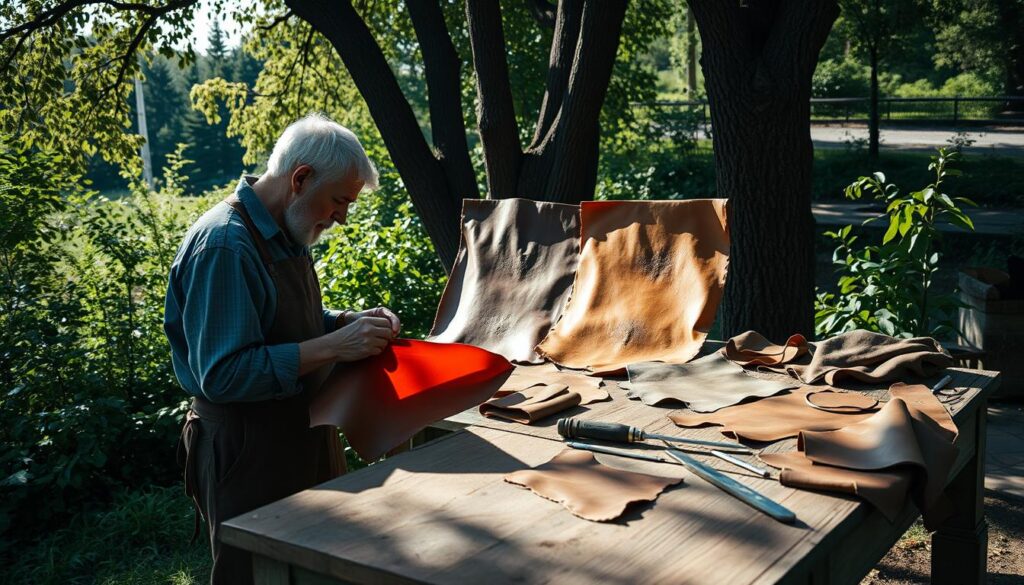
cURL Too many subrequests.
cURL Too many subrequests. cURL Too many subrequests. cURL Too many subrequests.
cURL Too many subrequests.
| Leather Type | Characteristics |
|---|---|
| cURL Too many subrequests. | cURL Too many subrequests. |
| cURL Too many subrequests. | cURL Too many subrequests. |
| cURL Too many subrequests. | cURL Too many subrequests. |
| cURL Too many subrequests. | cURL Too many subrequests. |
| cURL Too many subrequests. | cURL Too many subrequests. |
| cURL Too many subrequests. | cURL Too many subrequests. |
| cURL Too many subrequests. | cURL Too many subrequests. |
| cURL Too many subrequests. | cURL Too many subrequests. |
| cURL Too many subrequests. | cURL Too many subrequests. |
cURL Too many subrequests.
cURL Too many subrequests. cURL Too many subrequests. cURL Too many subrequests.
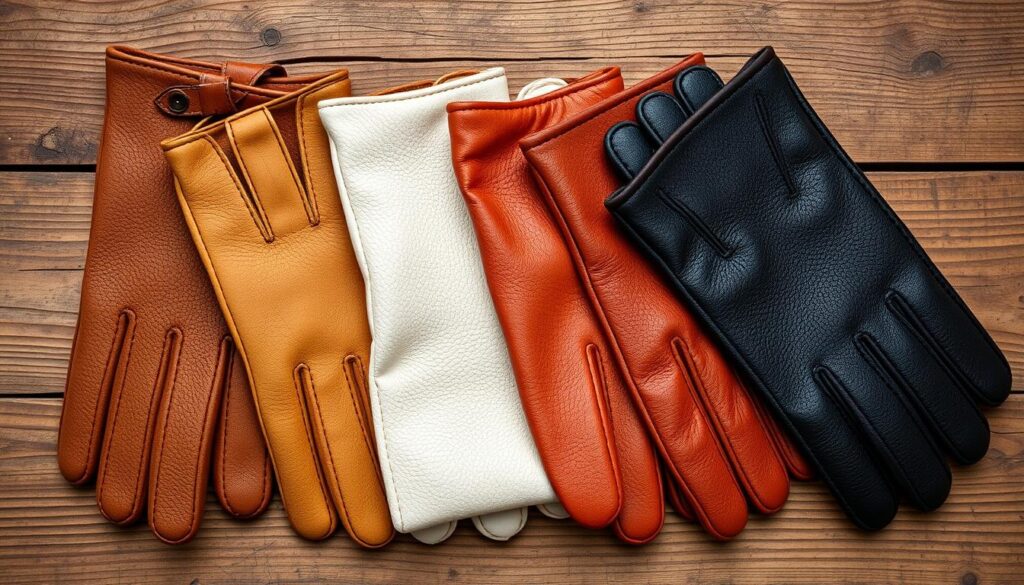
cURL Too many subrequests.
The cURL Too many subrequests. cURL Too many subrequests. cURL Too many subrequests. cURL Too many subrequests.
cURL Too many subrequests.
cURL Too many subrequests. cURL Too many subrequests. cURL Too many subrequests.
cURL Too many subrequests.
cURL Too many subrequests. cURL Too many subrequests. cURL Too many subrequests. cURL Too many subrequests.cURL Too many subrequests.
Size Grading and Scaling
Size grading is vital in pattern-making. Manufacturers scale patterns for various sizes to fit every customer. They adjust the pattern’s dimensions while keeping the design and proportions the same, ensuring a smooth fit.
Template Development
The last step is making detailed templates. These templates guide the cutting and assembly stages, ensuring consistency. Developing these templates requires careful attention to detail to maintain quality.
| Leather Type | Stretch Characteristics | Recommended Pattern Adjustments |
|---|---|---|
| cURL Too many subrequests. | Moderate stretch | Tighter fit, less allowance for flexibility |
| Кожа козы | High stretch | Looser fit, more allowance for flexibility |
| cURL Too many subrequests. | Low stretch | Closer fit, minimal allowance for flexibility |
“Precise cURL Too many subrequests. are the foundation for a well-fitting, high-quality leather glove. They require a deep understanding of hand anatomy and the unique characteristics of different leathers.”
The Leather Gloves Making Process Step by Step
The leather gloves making process is a detailed blend of old skills and new tech. It starts with picking and preparing top-notch leather. This leather is the base of these useful accessories.
The first step is leather processing. Here, the raw leather gets treated to make it stronger and look better. Tasks like tanning, dyeing, and finishing are done with great care. This ensures the leather is perfect for making gloves.
- Cutting and Pattern Making: The leather is cut into shapes and sizes using special patterns. This is the start of making the glove.
- Stitching and Assembly: The cut pieces are stitched together. Both machines and hands are used to make the stitches strong and look good.
- Lining and Finishing Touches: Comfort and warmth are added with linings. Reinforcements and decorations are also added to make the gloves better.
- Контроль качества: Each glove is checked carefully. They must be of high quality, durable, and work well before they are sold.
Throughout the glove manufacturing steps, the craftsmen use their knowledge of leather processing. They make gloves that are stylish, comfortable, and protective.
| Key Steps in Leather Gloves Making | Описание |
|---|---|
| Leather Selection | Choosing the right leather, like cowhide or goatskin, for strength, durability, and flexibility. |
| Cutting and Pattern Making | Using precise patterns to cut the leather into the right shapes and sizes for the glove parts. |
| Stitching and Assembly | Combining machine and hand-stitching to put the glove pieces together. This makes the glove strong and nice to look at. |
| Finishing Touches | Adding linings, reinforcements, and other features to make the gloves more comfortable, functional, and attractive. |
The glove assembly process shows the skill and creativity of leather glovemakers. They make each pair to the highest quality and performance standards.
cURL Too many subrequests.
cURL Too many subrequests.
cURL Too many subrequests.
cURL Too many subrequests. cURL Too many subrequests. cURL Too many subrequests.
cURL Too many subrequests.
New tools also play a big part in glove making. This includes machines for cutting patterns, sewing machines for gloves, and dyeing tools. These tools make making gloves faster but keep the quality high.
cURL Too many subrequests.
Checking glove quality is key, and special tools help. Tools like measuring devices, color-matching tools, and tests ensure each glove is perfect. This ensures every glove is top-notch.
cURL Too many subrequests.
| cURL Too many subrequests. | cURL Too many subrequests. | cURL Too many subrequests. |
|---|---|---|
|
|
|
cURL Too many subrequests.
cURL Too many subrequests.
cURL Too many subrequests. cURL Too many subrequests.
cURL Too many subrequests. cURL Too many subrequests. cURL Too many subrequests. cURL Too many subrequests. cURL Too many subrequests.
| cURL Too many subrequests. | Advantages | cURL Too many subrequests. |
|---|---|---|
| cURL Too many subrequests. |
|
|
| cURL Too many subrequests. |
|
|
cURL Too many subrequests.
Dyeing leather can be done at home, but it needs care and patience. Think about the leather type, dye, and what you want to achieve. With the right steps, you can make your gloves look and feel amazing.
Stitching and Assembly Methods
In leather glove making, stitching and assembly are key. They decide the glove’s durability, flexibility, and quality. Glovemakers use various methods, from hand stitching to machine work, to achieve top quality.
Hand Stitching Techniques
For luxury and custom gloves, artisans use hand stitching. This method offers detailed work and control over the look. Glove stitching like the whipstitch and overcast stitch need skill and patience but look amazing.
Machine Stitching Processes
For making more gloves, makers use machines. These machines have special features for even stitching. They help make gloves of the same quality and look.
Seam Types and Applications
Choosing the right seam types is important in glove making. It affects the glove’s fit, flexibility, and durability. Makers use different seams like outseam, inseam, and welted seam. They mix these to make gloves that look good and work well.
| Seam Type | Описание | Применение |
|---|---|---|
| Outseam | Stitching is visible on the outside of the glove, creating a decorative element. | Dress and fashion gloves, providing a refined, tailored appearance. |
| Inseam | Stitching is hidden within the interior of the glove, resulting in a sleek, seamless look. | Athletic and performance gloves, prioritizing flexibility and comfort. |
| Welted Seam | Features a visible strip of reinforcing material, adding durability and structure. | Workwear and industrial gloves, requiring enhanced protection and longevity. |
The mix of stitching and seam types shows great glove making. It makes each glove look great and work well.
Adding Linings and Special Features
Leather gloves get better with linings and special features. These add warmth, comfort, or protection. Materials like silk, wool, or synthetic fibers are used for this.
These additions make gloves more than just a fashion item. They become practical and comfortable. This is especially true for those who need extra warmth or protection.
Leather gloves also have special features. Reinforced palms make them last longer and grip better. Touchscreen fingertips let you use your phone without taking off your gloves. Decorative touches like embossing or laser cutting make them look unique.
These features make leather gloves more valuable and appealing. They’re not just for looks anymore. They’re also functional and unique, appealing to more people.
Glove Linings: Enhancing Comfort and Warmth
- Silk, wool, and synthetic fibers are common lining materials used in leather gloves.
- Linings can provide additional warmth, comfort, and protection, catering to specific needs or preferences.
- Moisture-wicking liners help keep hands dry and comfortable, especially in active or outdoor settings.
- cURL Too many subrequests.
cURL Too many subrequests.
- cURL Too many subrequests.
- cURL Too many subrequests.
- cURL Too many subrequests.
cURL Too many subrequests.
cURL Too many subrequests.
cURL Too many subrequests.
cURL Too many subrequests.
cURL Too many subrequests.
The cURL Too many subrequests. cURL Too many subrequests.
cURL Too many subrequests.
cURL Too many subrequests.
Once the gloves are made, they get special treatments. This includes waterproofing and softening to make them last longer and feel better. They are then packed to keep them safe during shipping.
cURL Too many subrequests.
Tests are done to make sure the gloves meet quality standards. They check how well the gloves hold up and how the color stays. They also make sure the gloves fit right.
cURL Too many subrequests.
Заключение
cURL Too many subrequests.
The cURL Too many subrequests. cURL Too many subrequests.
cURL Too many subrequests.
cURL Too many subrequests.
Часто задаваемые вопросы
cURL Too many subrequests.
The leather gloves making process starts with finding top-quality leather. Then, precise patterns are created. The leather is cut, stitched together, and finished with linings and special features. It blends old skills with new tech.
cURL Too many subrequests.
Many leathers are used, like cowhide, goatskin, and sheepskin. Each has its own feel and strength. Grain leather is soft and good for oils, while split leather is tough and cheaper.
cURL Too many subrequests.
Getting the right leather is key for gloves. It affects how well they last and feel. Places like Millau, France, are known for their leather, used in famous gloves.
cURL Too many subrequests.
cURL Too many subrequests.
cURL Too many subrequests.
cURL Too many subrequests.
cURL Too many subrequests.
Leather is treated and dyed for look and feel. Stitching mixes handwork for details and machines for speed. This makes high-quality gloves.
cURL Too many subrequests.
Linings add warmth and comfort. Materials like silk and wool are used. Extras like reinforced palms make gloves better for work or tech use.
cURL Too many subrequests.
Quality checks are vital. They ensure gloves are the right size, color, and made well. Treatments and packaging protect and present the gloves. Tests check durability and fit.
cURL Too many subrequests.
- https://www.explore-millau.com/en/chez-nous/local-know-how/glove-making/
- https://www.superiorglove.com/glove-shell-materials/
- https://handmadeleathergloves.com/blogs/discover-more?srsltid=AfmBOophLn9ib4Ea0TZFpvRa47wsF–0IWBMFB-vfaOGMDI_-ohVaPC9
- https://www.fibrenew.com/blog/types-of-leather-must-know-info-for-buying-leather/
- https://hiltonenterprises.com.pk/guide-to-leather-gloves/
- https://dmleatherstudio.com/blogs/leather-craft/types-of-leather?srsltid=AfmBOoqKeb7DxJZsKNlRfiuiJPQiWCBZafkmqdl3uSIMQafBDapMfw7O
- https://elite-leather.com/sustainable-practices-in-heritage-leather-crafting/
- https://www.manuel-dreesmann.com/en-us/blogs/information/spanish-leather-everything-about-leather-in-the-spanish-world?srsltid=AfmBOorV9TY4yfNTX87Z6Sok4lPY-Mb_MdsUQIQSRTYBjLXcuevQ54s_
- https://www.fibrenew.com/blog/the-lifecycle-of-leather/
- https://www.arcanefox.com/blogs/fix-blogs/how-is-leather-made?srsltid=AfmBOoq4eYxUzXtn55Da0QckAeuTbIcYYWs93-1_JNBRdeqD53W5d6d4
- https://smartupmillionaire.com/making-fancy-leather-gloves-business-idea/
- https://sharkleticsenterprises.com/process-of-manufacturing-boxing-gloves/
- https://angelusdirect.com/blogs/news/how-to-dye-leather-gloves?srsltid=AfmBOooKQ11egRU1V8ZvVpLtRYubso_44hygNKDMkEGlf75-9Blw0Q9J
- https://www.justballgloves.com/blog/post/the-8-steps-of-building-a-glove/?srsltid=AfmBOopj0Rq7QGj1rXfXrZPpDitfx85ooXLS-CUpbxa6BdHhBqpiQFL8
- https://coopercanvas.com/the-versatile-protection-of-leather-gloves-a-comprehensive-guide/
- https://leatherdiscover.com/how-dye-leather-gloves/
- https://angelusdirect.com/blogs/news/how-to-dye-leather-gloves?srsltid=AfmBOornSX_iFEnMCmaa4v3Oe8Fzz-G6Yda6r9IRIr6eQ7JO3lka1aiQ
- https://dmleatherstudio.com/blogs/leather-craft/tooling-leather?srsltid=AfmBOopuyvVjMrj_HFbRY4Zj-N_XJcVk-1k8FcjgQ6Ac4GEiRpw20BRr
- https://aspiringchampion.com/how-are-boxing-gloves-made/
- https://carolina-leather.com/about/
- https://pro.refrigiwear.com/knowledge-center/best-practices/how-to-use-glove-liners/
- https://www.superiorglove.com/glove-additives-and-treatments/
- https://leatherdiscover.com/what-leather-gloves-used-for/
- https://angelusdirect.com/blogs/news/how-to-dye-leather-accessories?srsltid=AfmBOoq-ZQ45Yy98Ik_pkgkxJmNDbCKGLxaskeyaMxObZPbwcN1z3IHB
- https://www.fibrenew.com/blog/leather-grades/
- https://sullivanglove.com/blogs/news/how-to-break-in-a-glove-cc?srsltid=AfmBOooNF9QT31C8AXNG11mlbwLuQwE2_ZBWzr9QgrS0pfo1LaB8kuld
- https://supplyshop.co.za/blogs/articles/leather-gloves?srsltid=AfmBOoq1gqWz2f1MgzHYZejU3SGQ9vJ5U85whq6yjL53BFPlL87C9Gi9
- https://www.promotionalgloves.com/blog/complete-history-of-gloves?srsltid=AfmBOop4fkaFpFTcxEZfyNQFPfSIrmG9ehrKoZK5lAr_gHBw3ibYpL7X
- https://droppe.com/blog/article/leather-gloves-for-construction/